Matching reviews to products: the three tiers that actually work
Fuzzy title matching puts a trail runner review on a hiking boot. Here is the tiered approach we use instead, and why identifier coverage is the metric that matters.
By REVEX Engineering, Platform team
The failure mode
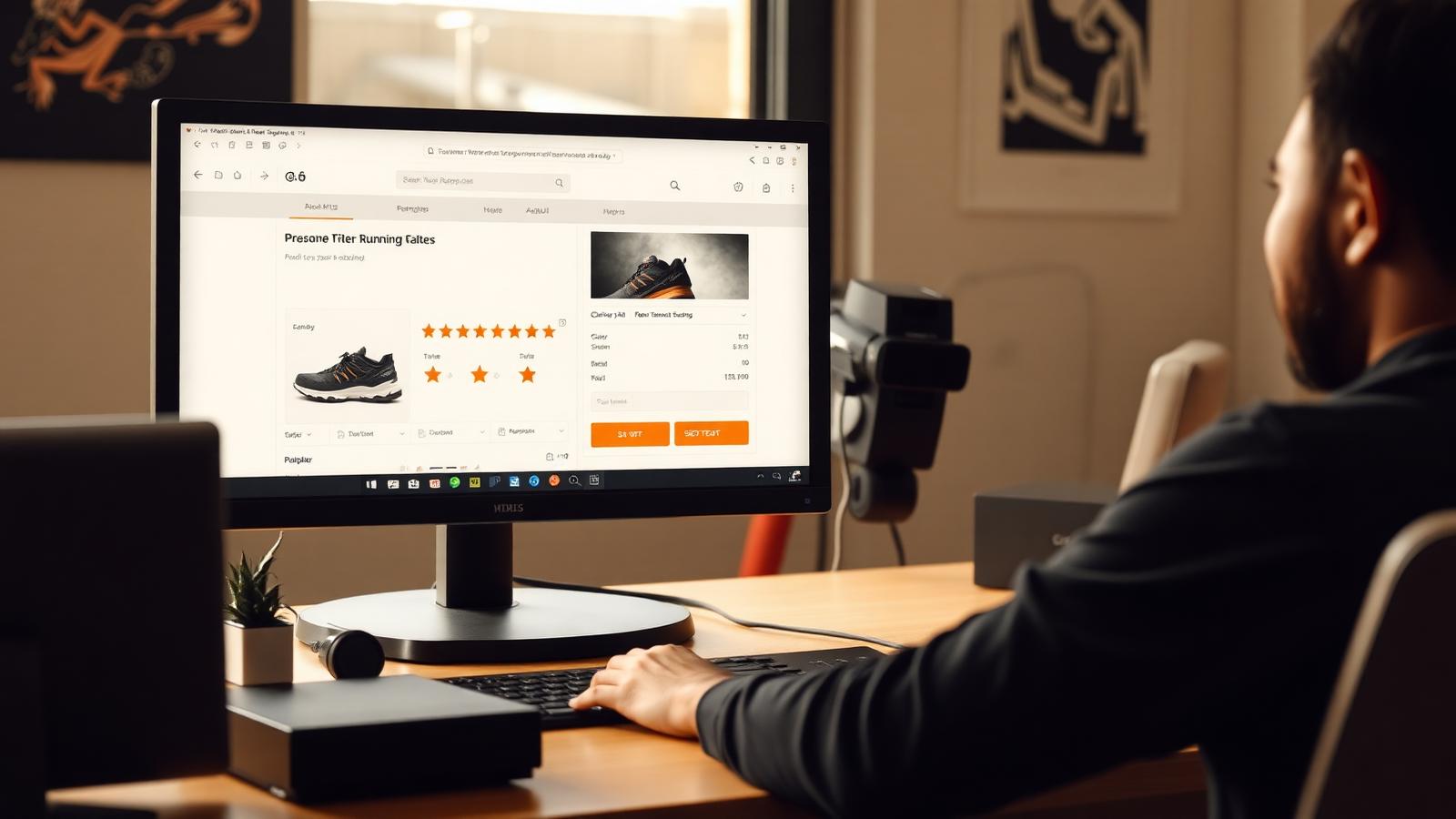
Product titles are marketing copy. "Apex CloudRunner 4 — Men''s Road Running Shoe (Wide)" and "CloudRunner 4 Wide M" are the same shoe, and "CloudRunner 4 Trail" is not. Any system that leans on title similarity will eventually attach the wrong reviews to the wrong product, and that is the one mistake shoppers never forgive.
Tier 1 — identifiers
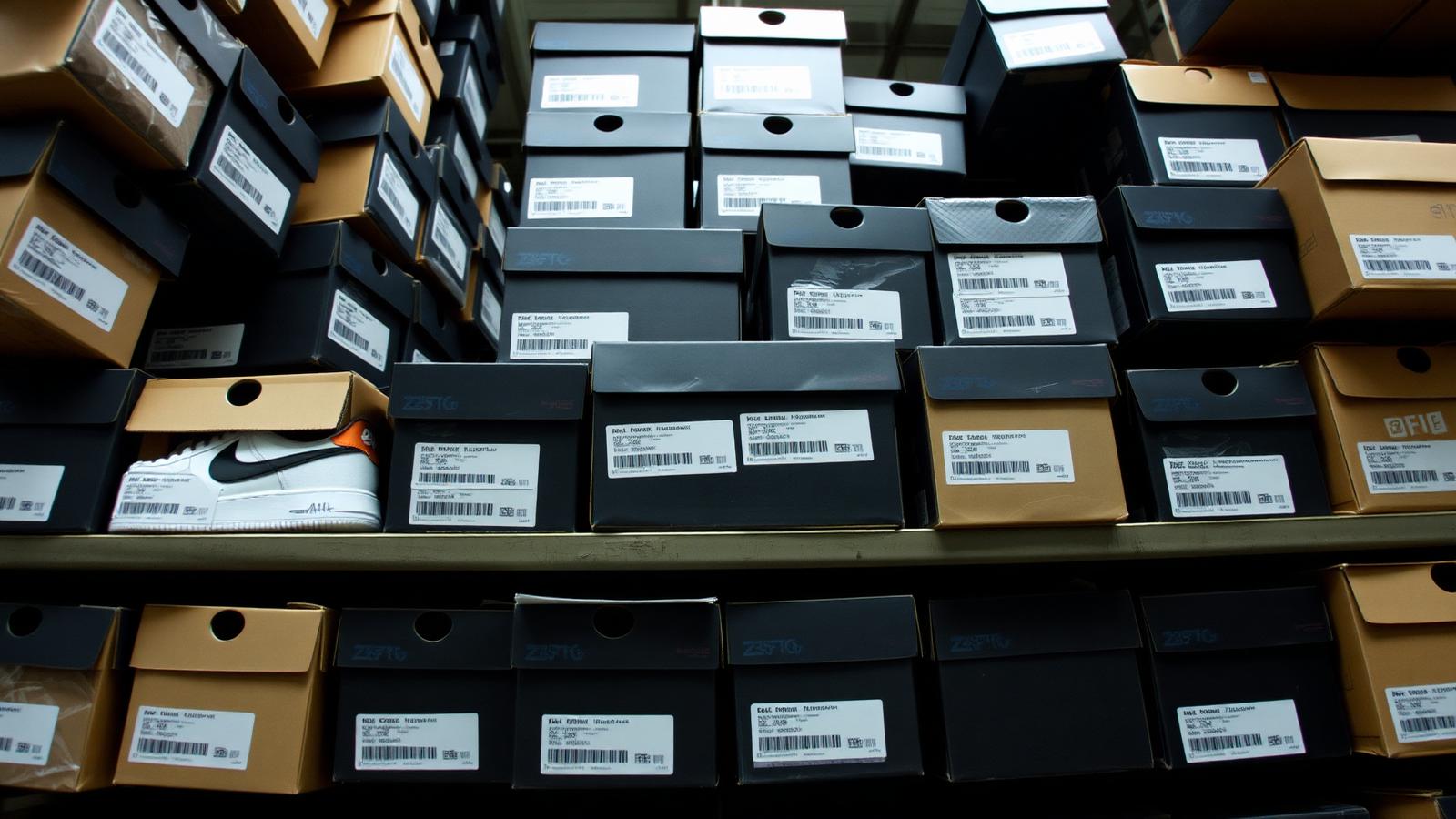
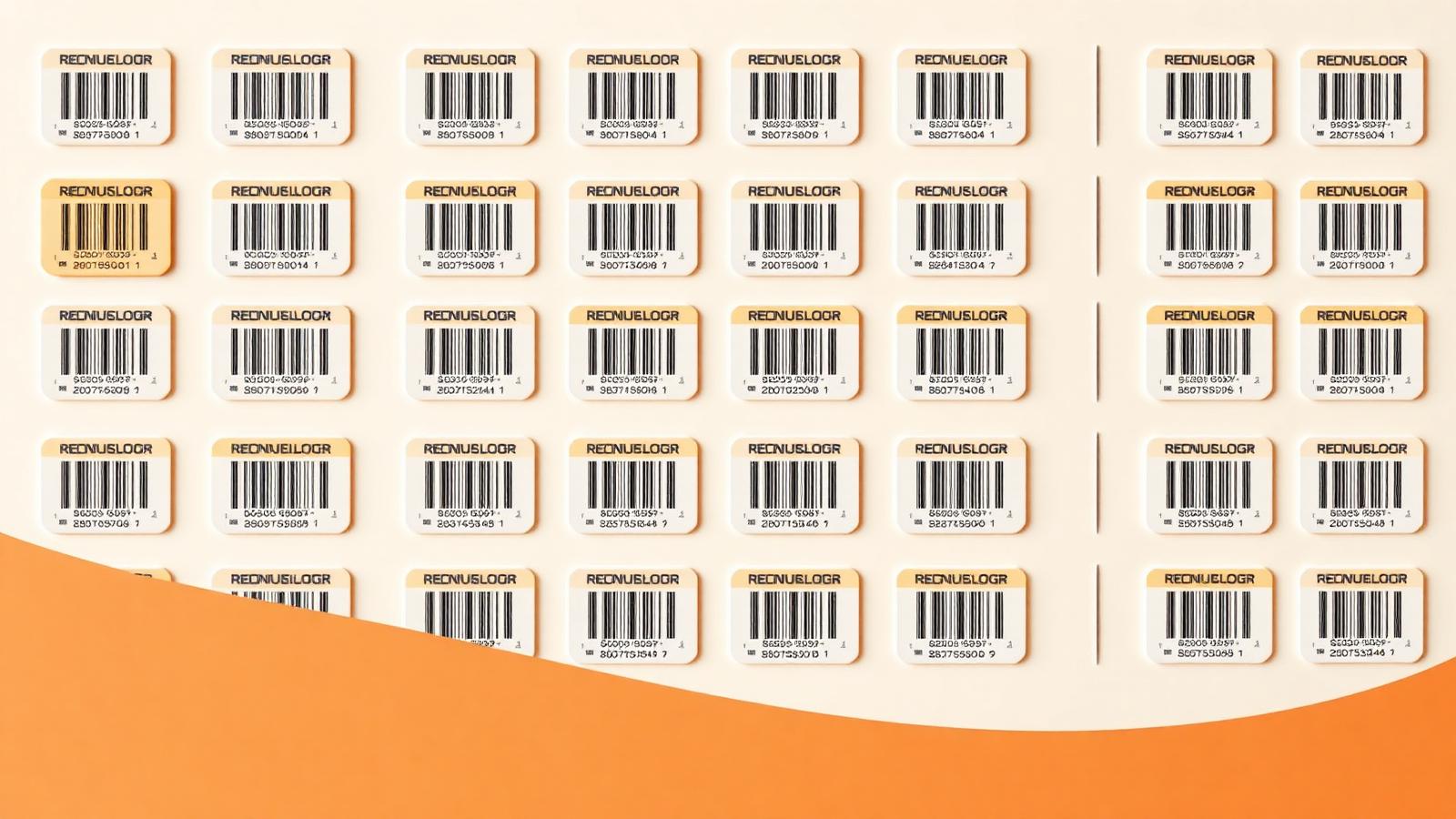
GTIN, UPC, and EAN are exact. When a merchant variant carries a barcode that matches a canonical variant identifier, we match automatically and record tier 1 with full confidence. No human sees it.
Tier 2 — brand plus MPN or SKU
When identifiers are missing but the brand is known and the manufacturer part number lines up, we match at tier 2. Confidence is high but not absolute, so the match is visible in the queue and reversible in one click.
Tier 3 — suggestions only
Everything else becomes a suggestion: scored, ranked, and never published without a human confirming it. Suggestions are ordered by reviews at stake, so the first confirmation a merchant makes unlocks the most content.
The metric to watch
Identifier coverage — the share of your variants carrying a barcode or MPN — predicts match rate better than anything else. Fixing identifiers on ten variants usually beats confirming a hundred fuzzy suggestions, which is why our matching workspace lets you repair identifiers inline and re-run tier 1 on the spot.